Planning a deck in Big Sky, Montana
Who approves a deck depends on the county, the covenants, and how close the lot sits to the river. Snow load and footing depth are set for the site. Start here, then send a request to an independent local contractor.
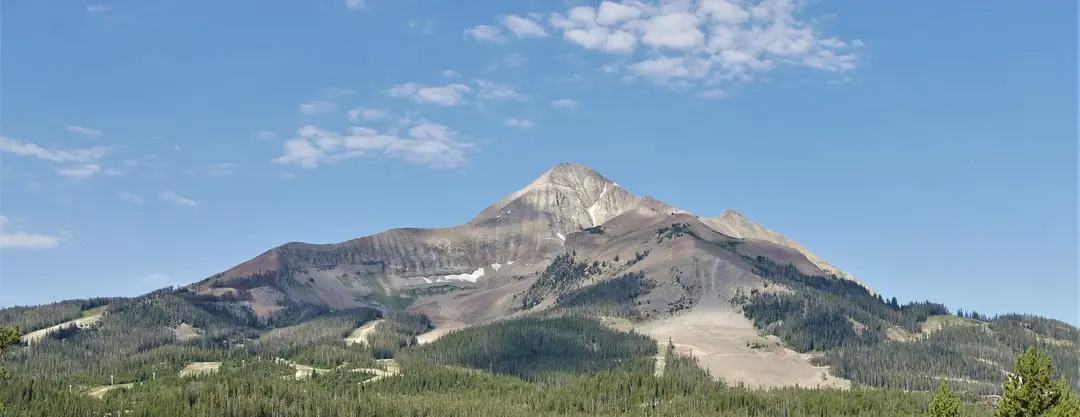
Start with the lot
A deck in Big Sky starts with three questions about the property. Which county is the lot in? Do covenants apply? How far is it from the Gallatin River or another creek? Your answers decide which offices and committees see the plans before anyone digs.
Big Sky spans Gallatin and Madison counties. Big Sky does not appear on Montana's list of local building code jurisdictions, so the State Building Codes Bureau has jurisdiction there. The state does not require a building permit for a single-family home outside a local jurisdiction, but other approvals stay in place. On the Gallatin County side, the county requires a Land Use Permit before construction of most structures in its zoning districts, and its site plans ask you to show decks, porches, and hot tubs. Bozeman and West Yellowstone run their own building permit programs inside their limits.
Who approves a deck around Big Sky walks through each office, place by place.
Snow load comes from the site
You will not find one snow-load number for Big Sky. For areas outside local code jurisdictions, Montana's Building Codes Bureau directs designers to the ASCE 7 Hazard Tool, a free lookup that returns values for a specific location. For buildings under the state code, an administrative rule (ARM 24.301.154) sets a 30 psf minimum roof snow load after reductions, unless a Montana-licensed design professional justifies a different value. Inside Bozeman, the City's design criteria list a 46 psf ground snow load and use the same figure for deck snow load.
Footing depth follows the same pattern. Bozeman sets a 36-inch minimum to the bottom of footings for one-story structures and 48 inches for two-story. Big Sky has no published local figure, so the depth comes from the design for the lot. Snow load and footing depth covers how designers arrive at both numbers and what to ask about them.
Water and wildfire
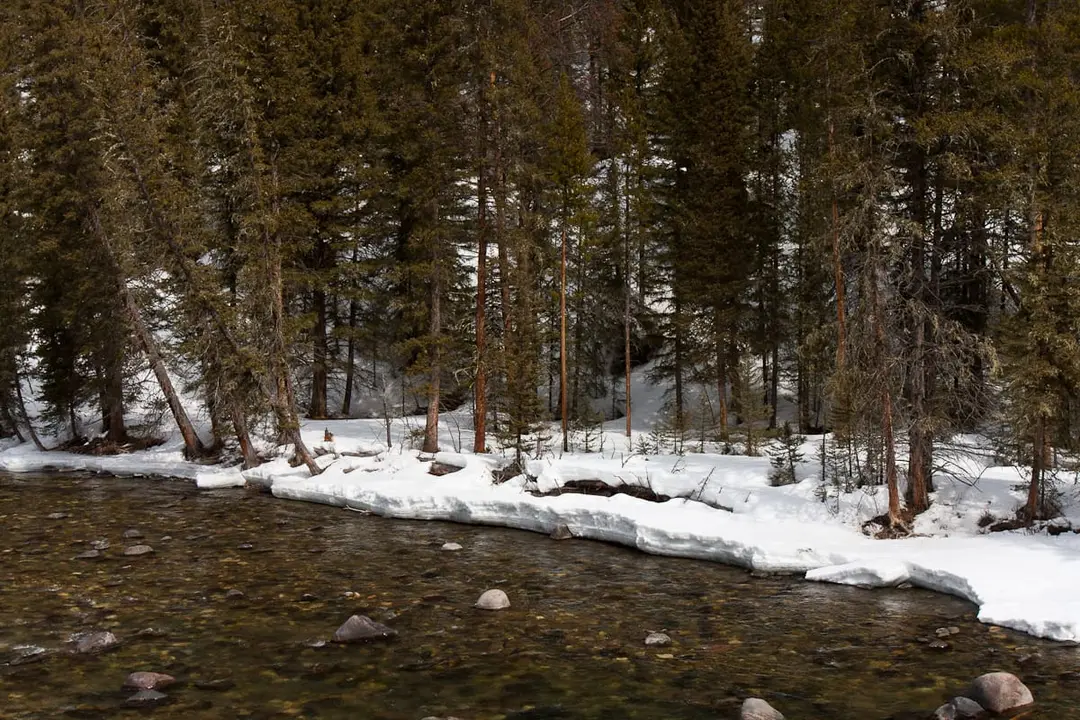
Inside the Gallatin Canyon/Big Sky Zoning District, structures and site improvements must sit at least 100 feet from the annual mean high water line of the Gallatin River's main branch and 50 feet from other watercourses. Gallatin County also requires a floodplain permit for construction or placement of structures in the regulatory floodplain. If your lot backs onto water, settle these lines first. Decks near the Gallatin River shows how the setbacks work.
The same zoning regulation calls for at least five feet of fire-resistant ground cover around the exterior walls of all structures. Plan the ground beside a deck with that rule in mind before you spread bark mulch or stack firewood there.
Short seasons, long winters
NOAA's 1991-2020 normals for the Big Sky 2WNW station put the median frost-free season at about 50 days. The station's mean monthly low is 30.0 °F in May and 24.7 °F in October. Contractors plan footing and concrete work around those nights, and design review, surveys, and Land Use Permits all take time before the ground is ready. If you want a deck by next summer, start on the approval questions this winter.
Materials
Capped composite, PVC, tropical hardwood, and cedar each respond in their own way to strong sun and freeze-thaw. Composite and PVC trade staining for attention to gapping and heat in dark colors. Ipe is dense, heavy, and hard to work, and it grays unless oiled. Cedar suits a log or timber home and asks for regular cleaning and sealing. The deck projects page compares them and lists the design questions worth raising.
Hiring
Since January 1, 2026, Montana has required a Construction Contractor License from the Department of Labor & Industry. Some contractors are exempt, including an independent contractor with no employees. Checking a Montana deck contractor explains the lookup and the questions to ask.
About this site
Big Sky Decks publishes planning information and passes requests to an independent local contractor. It does not build decks, employ crews, or set prices. When you are ready, send a deck request.
Local conditions
- Elevation of NOAA's Big Sky 2WNW weather station
- 6,590 ft
- NOAA's Big Sky 2WNW weather station sits at about 6,590 feet.
- NOAA NCEI
- Ground snow load source outside local code jurisdictions
- ASCE 7 Hazard Tool
- Outside local jurisdictions, Montana's Building Codes Bureau points designers to the ASCE 7 Hazard Tool for a site-specific snow load.
- Montana DLI snow load page
- Published local frost depth for Big Sky footings
- No local figure
- Big Sky and Madison County publish no local frost-depth figure, so footing depth comes from the design for the lot.
- Montana DLI local jurisdiction list
- Bozeman minimum footing depth, one / two stories
- 36 in / 48 in
- Bozeman's design criteria set the bottom of footings at 36 inches minimum for one-story structures and 48 inches for two-story.
- Bozeman design criteria
- Median frost-free season at Big Sky 2WNW, 1991-2020
- About 50 days
- NOAA's 1991-2020 normals for the Big Sky 2WNW station show a median frost-free season of about 50 days.
- NOAA NCEI
Checked October 2026
What sits below the deck boards
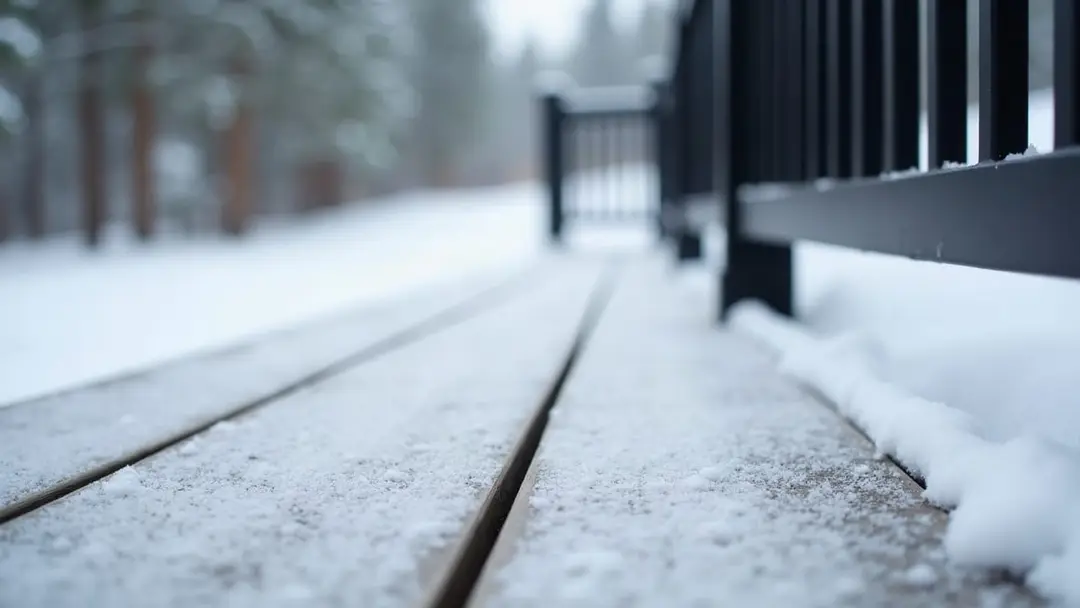
A deck at elevation is mostly an exercise in loads and footings. The drawing shows the parts a design has to account for: a footing below frost depth, the post and beam, the ledger connection to the house, and snow on the surface.

What to weigh
- Which side of the county line
- Big Sky spans Gallatin and Madison counties, and the approvals differ. The Gallatin County side falls under the Gallatin Canyon/Big Sky Zoning Regulation; the Madison County side has no county zoning district listed. Start by finding out which side of the line the lot sits on.
- Snow load for the site
- There is no single county snow-load number. Outside Bozeman and West Yellowstone, the state points designers to the ASCE 7 Hazard Tool for a site-specific value. Ask how the load on your plans was set.
- A short building season
- NOAA's 1991-2020 normals for the Big Sky 2WNW station show a median frost-free season of about 50 days. Footing and concrete work get scheduled around freezing nights in spring and fall.
- Materials and upkeep
- Capped composite, PVC, tropical hardwood, and cedar handle sun, snow, and freeze-thaw differently. The bigger difference over time is usually maintenance, so compare upkeep alongside appearance.
How a deck project usually runs
-
Confirm who approves the project
Find out which county the lot is in, whether it sits inside Bozeman or West Yellowstone, and whether zoning, covenants, or a mapped floodplain apply. That sets the list of approvals.
-
Design for the site's loads
The designer works out the snow load for the specific site, footing depth, and how the deck attaches to the house.
-
Get the approvals
Depending on the lot, that can mean a county Land Use Permit, architectural committee review under the covenants, a floodplain permit, or a city or town building permit.
-
Call 811 before digging
Montana law requires the excavator to notify the 811 center before digging. Utility owners then have 2 business days to mark their lines.
-
Footings and framing
Footings go to the depth the design calls for, below frost. Framing, ledger attachment, and posts follow the approved plans.
-
Decking, railings, and final checks
Decking, railings, and stairs go on last. Wherever a permit was issued, the issuing office's inspections close it out.
Planning guides
Each guide covers one question that comes up when planning a deck around Big Sky.
-
Checking a Montana deck contractor
Since January 1, 2026, Montana has issued a contractor license in place of the old registration. A solo contractor with no employees can be exempt. Check the license, then ask about insurance, plans, and the contract before you sign.
-
Who approves a deck around Big Sky
Big Sky has no local building department, but a deck still faces approvals: a county Land Use Permit on the Gallatin side, committee review under covenants, floodplain rules, and a state electrical permit.
-
Snow load and footing depth for a Big Sky deck
There is no single snow-load number or frost depth for Big Sky. Outside local code jurisdictions such as Bozeman, the state points designers to a site-specific lookup. Ask your designer where each number came from.
Common questions
Does a deck in Big Sky need a building permit?
Big Sky has no local building department on Montana's list of local code jurisdictions, so the State Building Codes Bureau has jurisdiction, and the state does not require a building permit for a single-family home outside a local jurisdiction. Other approvals can still apply. On the Gallatin County side, a Land Use Permit is required before most construction, and covenant areas have architectural review. Electrical work needs its own state permit.
What about decks in Bozeman or West Yellowstone?
Both run their own building permit programs inside city or town limits, according to the state's list of local jurisdictions. West Yellowstone's covers residential building. Ask the city or town building office whether your deck needs a permit.
How is the snow load set for a deck here?
Outside local jurisdictions, Montana's Building Codes Bureau points designers to the ASCE 7 Hazard Tool for a site-specific snow load, with a 30 psf minimum roof snow load for buildings under the state code, unless a licensed design professional justifies otherwise (ARM 24.301.154). Inside Bozeman city limits, the City's design criteria list a 46 psf ground snow load and use the same figure as the deck live load.
How deep do deck footings go?
Inside Bozeman, the City's design criteria put the bottom of footings at least 36 inches deep for one-story structures and 48 inches for two-story. For other sites, the depth comes from the code official or the project's design professional. A soils report helps on steep or rocky lots.
Are there extra rules near the Gallatin River?
Yes. In the Gallatin Canyon/Big Sky Zoning District, structures must stay 100 feet from the main branch of the Gallatin River and 50 feet from other watercourses. Work in a mapped floodplain in Gallatin County also needs a county floodplain permit.
Will an owners association review my deck plans?
Often. In areas covered by the Big Sky Owners Association, the Big Sky Architectural Committee reviews deck work, including replacements that keep the same footprint. If your lot is in a private community, ask its owners association whether it has design review and what it requires.
How can I check a deck contractor?
Since January 1, 2026, Montana has required a Construction Contractor License for contractors with employees. Ask for the license number and look it up through the state's licensee lookup. A solo contractor with no employees may be exempt, so ask about workers' compensation and liability coverage either way.
What happens when I send a request?
Big Sky Decks passes your request to an independent local contractor, who may call, text, or email you about the project. Big Sky Decks does not do the work and does not set prices.
Planning a deck in Big Sky?
Describe the lot and the project. The request goes to an independent local contractor.
Service area
- Big Sky
- Bozeman
- Gallatin Gateway
- West Yellowstone
- Ennis
- Moonlight Basin
- Spanish Peaks
Landmarks
- Lone Mountain
- Spanish Peaks
- Gallatin River
- Big Sky Town Center
- Meadow Village
- Mountain Village
- Yellowstone National Park